Honoring the Final Journey: Social Fabrics and Cultural Customaries in India
Wiki Article
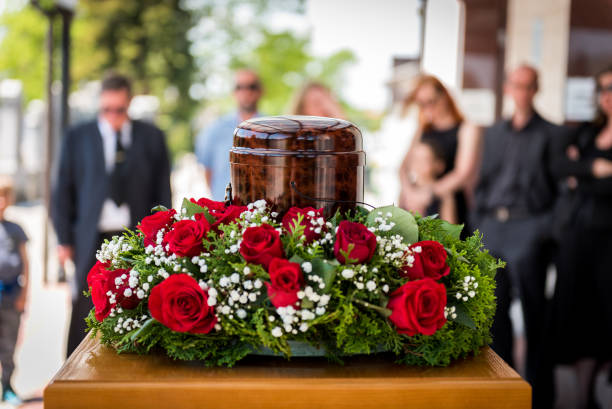
Within the vibrant subcontinental heritage of India, customs dedicated to celebrating a completed life stand as a timeless testament to community devotion. Across every regional territory, the rites dedicated to paying final respects are rich with regional artistry, historical significance, and intricate social customs. Far from viewing departure with isolated sorrow, these ceremonies strengthen social continuity, reinforcing family bonds, strengthening neighborhood networks, and preserving ancestral etiquette. The initial hours of the ceremonial gathering are observed with attentive care and respect. Family members gather to perform traditional preparation rituals passed down through untold generations. The individual is adorned in clean, elegant garments tailored to regional heritage and personal status. White garments are most frequently chosen, symbolizing quiet peace, dignity, and cultural simplicity. Within specific regional groups, traditional textiles featuring intricate patterns or specific cultural colors are selected to celebrate an elder's wisdom and societal contributions. Fresh blossoms and natural garlands form a central element in these preparations. Vibrant arrangements of native blossoms are carefully arranged around the individual. These floral decorations are far more than aesthetic adornments; they highlight the continuous beauty of life and family devotion. The gentle application of aromatic sandalwood paste, natural rosewater, and traditional herbal essences underscores the high level of respect, hygiene, and beauty present in the household. A deeply moving and visually distinctive element in regional subcontinental customs is the organized neighborhood procession from the family residence to the community resting grounds. Known across various regions as a procession of honor, this communal journey transforms private grief into a shared community event. Fellow villagers and urban neighbors join together in front of the family home, garbed in white garments of respect creating a peaceful, harmonious visual atmosphere. The rested individual is borne on a handmade platform assembled from natural materials, covered with decorative cloths and floral wreaths. While the gatherers walk along the neighborhood paths, participants share the responsibility of bearing the weight. This physical act of sharing the weight is a profound gesture of fellowship, proving that grief is met with shared strength. Throughout several cultural zones, the gentle chiming of bells and melodic flutes enhances the journey, offering a graceful auditory backdrop that honors the individual's legacy within the public sphere. Rich regional contrasts show up distinctly within the distinct farewell practices found across states and communities. Even as mutual respect and community participation stay identical throughout, the visual and artistic details differ wonderfully from north to south, and east to west. Once the initial rites conclude, subcontinental tradition observes a dedicated period of domestic hosting, typically lasting between ten and thirteen days. During this timeframe, the family home becomes an open sanctuary for neighbors, extended family lines, and well-wishers who travel from afar to offer condolences and pay their respects. Receiving guests with warmth remains a top priority. Wholesome vegetarian dishes are cooked continuously to feed visiting neighbors, family, and travelers. This practice of joint dining creates strong emotional bonds, encourages the sharing of fond memories, and ensures that the grieving household is fully supported with daily necessities by the broader social network. The final day of the memorial period is celebrated with an extended neighborhood meal. Senior relatives recount the person's life history, good deeds, and values, ensuring that their oral history is transmitted to younger generations. Acts of charitable giving—including gifting garments to neighbors, funding local schools, or providing meals to the needy—are carried out to celebrate the person's legacy, strengthening societal support systems and charitable values.
Dead Body Transportation in Hyderabad Indian society approaches the honoring of the departed with warm hospitality and deep cultural devotion. Whether in quiet country settlements or dense metropolitan districts, the active participation of the surrounding community forms the cornerstone of every ceremonial proceeding. These observances provide a structured cultural framework where loved ones share comfort, honor lived memories, and preserve personal accomplishments.
The Aesthetics of Preparation and Family Devotion
The White Procession: Community Solidarity in Motion
Element
Material Used
Cultural Significance
Attire
Traditional White Attire
Represents purity, equality, and shared grief.
Palanquin Frame
Handcrafted Local Bamboo
Reflects connection to nature and traditional craftsmanship.
Garlands
Fresh Marigolds, Lotus, and Roses
Conveys family devotion and visual honor.
Herbal Preparations
Cooling Sandalwood and Rose Essence
Offers a fresh, dignified atmosphere.
Subcontinental Diversity in Farewell Customs
Dead Body Transportation in Kolkata No matter if the community practices gentle earthen burial or ceremonial fire rites, the focus remains steadfastly on the cultural heritage of offering the individual back to nature's elements through practices that prioritize environmental respect and cultural grace.
Hospitality, Remembrance, and Social Continuity
Summary: Timeless Values of Community Honor
Kudlu Crematorium The funeral customs of India offer a rich tapestry of deep-seated hospitality, cultural elegance, and mutual care. Through turning a time of loss into an honorable display of community unity, these traditions showcase the strength of human connection and collective support. Through beautiful floral arrangements, white-clad processions, regional artistry, and generous hospitality, this heritage celebrates the completed life of every member while fortifying the enduring bonds of the community for generations to come.