Honoring the Final Journey: Social Fabrics and Cultural Customaries in India
Wiki Article
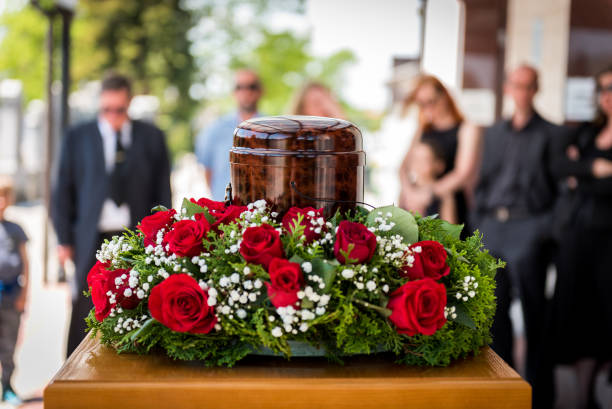
Across the vast and diverse landscape of India, cultural practices surrounding the final farewell of a community member represent a profound expression of collective heritage. In every corner of the subcontinent, these honorable ceremonial observances are rich with regional artistry, historical significance, and intricate social customs. Far from viewing departure with isolated sorrow, these practices establish a lasting connection, fostering hospitality, deepening community ties, and upholding generational respect. The quiet period immediately after a farewell are spent in thoughtful, dignified preparation. Close relatives assemble to carry out customary washing and dressing preserved within family lines. The individual is adorned in clean, elegant garments that reflect regional dress customs. White garments are most frequently chosen, symbolizing quiet peace, dignity, and cultural simplicity. Among various ethnic lineages, garments with decorative embroidery or regional dyes are chosen to honor the individual's age, social role, or lineage. Fresh blossoms and natural garlands form a central element throughout this artistic setup. Fresh garlands crafted from bright orange marigolds, sweet-scented jasmine, pristine lotus blossoms, and colorful roses are carefully arranged around the individual. These colorful arrangements represent more than mere visual beauty; they represent the vibrant beauty of life and the honor bestowed by the family. Anointing with cooling sandalwood, pure rose oils, and herbal extracts further highlights the aesthetic elegance and loving care embedded within the home-based preparations. Among the most celebrated social features in regional subcontinental customs is the ceremonial procession from the family residence to the community resting grounds. Known across various regions as a procession of honor, this peaceful walk along shared streets unites the broader neighborhood in mutual support. Fellow villagers and urban neighbors join together in front of the family home, dressed in modest, unadorned traditional white clothing showing total unity, equality, and shared respect. The rested individual is borne on a handmade platform crafted from sturdy local bamboo, decorated with fresh foliage and bright flowers. As the walk progresses toward the resting destination, participants share the responsibility of bearing the weight. This hands-on participation represents a meaningful tradition of communal respect, symbolizing that no family carries the weight of a farewell alone. Across numerous localities, the gentle chiming of bells and melodic flutes enhances the journey, offering a graceful auditory backdrop that informs the local district of a completed life journey. India's immense cultural diversity manifests clearly in the local variations that mark each district's traditional customs. Even as mutual respect and community participation stay identical throughout, the specific expressions vary dramatically according to regional heritage and local ancestry. Following the primary ceremonial rites, subcontinental tradition observes a dedicated period of domestic hosting, typically lasting between ten and thirteen days. In this dedicated period, the family home becomes an open sanctuary for guests arriving from nearby and far-off locations who arrive to offer support, food, and companionship. Hospitality during this period is a vital cultural requirement. Freshly cooked vegetarian meals are made each day to serve all guests who arrive to honor the family. This practice of joint dining creates strong emotional bonds, encourages the sharing of fond memories, allowing the neighborhood to take care of all domestic chores for the family. The conclusion of the primary formal gathering period is marked by a large-scale community feast and memorial gathering. Senior relatives recount the person's life history, good deeds, and values, passing down valuable life lessons to youth. Selfless acts of service—like sponsoring student materials, sharing food with local shelters, or donating textiles—are carried out to celebrate the person's legacy, strengthening societal support systems and charitable values.
Kengeri Crematorium Indian society approaches the honoring of the departed through a harmonious mix of joint effort and refined etiquette. Whether in quiet country settlements or dense metropolitan districts, the active participation of the surrounding community forms the cornerstone of every ceremonial proceeding. This social tradition provides a supportive atmosphere allowing society to express gratitude, care for grieving households, and pass on oral histories.
Dignified Preparation and Family Care
The White Procession: Community Solidarity in Motion
Aspect
Primary Material
Community Role
Dress Code
Simple White Cotton Garments
Represents purity, equality, and shared grief.
Resting Platform
Woven Bamboo and Foliage
Reflects connection to nature and traditional craftsmanship.
Wreaths
Native Sweet Blossoms
Conveys family devotion and visual honor.
Herbal Preparations
Herbal Extracts and Rose Oils
Offers a fresh, dignified atmosphere.
Subcontinental Diversity in Farewell Customs
Wilson Garden Electric Crematorium Whether the final resting customs involve traditional earthen burials or ceremonial fire arrangements, the focus remains steadfastly on the cultural heritage of offering the individual back to nature's elements with complete respect for the earth and ancestral eco-friendly customs.
Hospitality, Remembrance, and Social Continuity
Summary: Timeless Values of Community Honor
Kallahalli Crematorium These subcontinental customs demonstrate a beautiful example of deep-seated hospitality, cultural elegance, and mutual care. By transforming a moment of farewell into a dignified celebration of cultural heritage, these customs prove the enduring value of shared hospitality and tradition. By combining fragrant floral arts, dignified processions, local customs, and charitable giving, communities across India pay magnificent tribute to their elders while building stronger, more united neighborhoods for the future.